Kathleen Alcala

La Otra

                    She had never thought of herself as “la otra,” the Other Woman. All she knew was that she had loved him better, and it was only natural that he should leave his fiance and marry her.
                    “But that was a long time ago,” she would laugh when telling this story to Sirena, who seemed fascinated by her abuela’s past. “Back when the animals could talk.”
                    Anita had not been looking for a husband in those days. She already had too many men in her life – five brothers and a widowed father. She cooked and washed from dawn to night, then got up and did it all over again. When the house burned down along with half of the town, it was a relief – there was nothing to wash and nothing to cook. They had no choice but to join up with all the other refugees and walk north.
                    Some of the men stayed to fight. Her oldest brother, Manuel, stayed with his sweetheart’s family to defend what was left of the town. But the soldiers did not want the town. They wanted more soldiers. Both sides. Men and boys were compelled, forced, conscripted and dragooned, so that brother ended up fighting brother, father fighting son, uncles fighting nephews. It was all mixed up. The crops were deliberately destroyed three years in a row, and finally they had eaten all the seed corn. Better to walk north, where the Americanos were paying good wages.
                    “Bring extra money, and bring extra shoes,” was the advise Celso, who led the travellers out of town, gave to them. People brought a lot more than that, but most of it was lost along the way.
                    The first place of any size the family came to was Guanajuato. Los Guanejuatensos were not known for their friendliness to outsiders. In fact, the last time people had come to try to make themselves at home, they were herded into the granary and set on fire. This was in colonial times, when the Spanish rule had become unbearable. But the worker who had carried a stone on his back to deflect the bullets so he could set fire to the door of the granary was still a hero, El Pípila. No one remembered his name, just his pock-marked face.
                    Introspective people, used to the darkness of the mines and the insulated feel of their valley, they did not speak unless spoken to, offer information or help unless asked directly. It was here that the bedraggled Don Barcielego dragged his exhausted sons and daughter. By then one of Anita’s brothers had developed an infection. He had cut his foot on the walk, and the laceration refused to close and had begun to smell. The other members of the group said to leave him, that he would die of gangrene. Out of desperation, as she saw her brother get sicker and sicker, and her father begin to despair, Anita inquired if there was a curandera who could help him. A gnarled old woman, for Anita was at the age when she assumed gnarled people were old, came and cleaned the wound and wrapped it in a poultice made of local herbs. Then she suggested that the family pray to el Señor de Villa Seca for intervention on behalf of the ailing brother. No one in the family had heard of this Señor, but they prayed, nevertheless.
                    Whether it was the prayers or the poultice, the brother got well. Her father would not allow Anita to go to the church of Villa Seca to give thanks, but when he understood that it was in the mountains going north, he agreed that they could all stop on their way to El Paso del Norte. The brother who had been cured, who had a gift, painted a retablo of thanks on a broken piece of wood and left it there.
                    Sirena’s abuela claimed not to remember much more of the trip. She said she remembered going into towns and begging people for water. She remembered falling asleep while walking, she was so tired. She remembered hiding for hours in the ruins of a building, all of them trying not to make a sound, while armed men – soldiers or policemen, were around. She remembered a town up north that seemed almost deserted, until they found an old woman who showed them a fountain with water. How good it felt to wash her hands and face, her hair, let the water run down the front of her dress. Thirty-eight people started the trek, and thirty-two finished it. Anita remembered that one person died in his sleep, and they found him cold the next morning. Another began to panic during a time of needed silence, and was held down until he no longer moved. She does not remember what happened to the others. Maybe they stayed in some of the towns along the way, or died, or were carried away by a flock of birds.
                    Sirena watched her grandmother intently when she told these stories, trying to glean from her grandmother’s face and hands what she did not understand in words. When Anita got to the part where she described the missing as possibly being carried away to heaven by a flock of birds, the little girl’s mouth would go slack with amazement. When she got older, that expression was replaced by a sorrowful smile, the trademark expression of the Diamantes.
                    By the time they crossed the border, they were all as thin as could be – puro hueso – all bone, Anita would say, holding her fingers a quarter inch apart to show how thin they were. Not like I am now, she would add, patting her comfortable belly fat.
                    Sirena would just laugh at her tiny grandmother. Next to her, Sirena felt large and awkward. It was hard to imagine her abuela surviving the long walk, the hunger and thirst, the uncertainty of death waiting for them at every crossroads. But Anita Diamante greeted every dawn with the cautious optimism of a survivor, throwing water on her front steps and sweeping her walkway down to the sidewalk. Let the day bring what it will, she seemed to say – God willing, it will find me here.
                    As hard as it was to get her grandmother to tell the story of their migration to the United States, it was even harder to get her to tell about how she met her husband, and took him away from his intended. She did not tell this story to Sirena until she was older – old enough to know better, old enough to have gained the sorrowful smile.

                    After all their travails, and several false starts, Anita’s family went to work picking oranges in Southern California. They settled with other refugees on ground too high and rocky to cultivate, but close enough to meet the foreman at dawn in the orange groves. Anita’s father and brothers built a one room stone house with a cooking shed on the back. Anita asked for one window on the wall facing the street that was a little larger than the small, high windows on the other walls. This had a piece of tin that fitted inside of it to close, fastened by a piece of wire. In summer, Anita took down this shutter and sold aguas frescas to people walking by. Later, she began to sell a few canned goods, and after a year she had a small store where the orange pickers and farmworkers could obtain a few goods near their homes from someone who spoke Spanish. By extending a little credit until payday, “Anita’s Tiendita” became popular in the neighborhood.
                    At first, her father was nervous about Anita being home alone all day with cash in the house, but she assured him that she knew how to handle things. He got her a dog they named Flojo, after the mayor of their town in Mexico. When her father saw how much she was able to make, enough to save, he allowed her to handle all of the finances for the family. Anita was the only one who could make change and count to ten in English. On Fridays, she was accompanied to the bank by her four brothers, where the American clerk nervously counted the small bills and wrote out a receipt under their watchful eyes.
                    With all of this brotherly love and attention, Anita despaired that she would ever marry and start a household of her own.
                    Whenever her grandmother got to this part, Sirena grew pensive, staring deep into the pattern on the carpet to hide the feelings she knew would show in her eyes.
                    “Pero ya, mira,” her abuela would say, drawing Sirena’s attention back to the story. “One day a car drove up and parked across the road. A Model A. A man was driving, and he got out to help a girl from the other side. She was well-dressed, but she acted completely helpless in climbing out of the car.”
                    Here her grandmother would flop her arms, like a rag doll. “But once she got on her feet, she grabbed the man’s arm like he was the big prize. I could tell that he was embarrassed by her, and I knew then that I would make a better life mate than she!”
                    Abuela would cackle in remembrance at this point, and Sirena would smile in anticipation of the rest of the story.
                    “It turns out that they had come to our place in the woods to tell us about hygiene. Hygiene! As though, just because we were poor, we didn’t know how to take baths. She talked to the women, and he talked to the men. But she was so embarrassed, and used such funny language, that no one knew what she was talking about!”
                    “You went to the talk?”
                    “Seguro que si! Of course! I had to find out what was going on.”
                    Sirena squirmed in delight. Anita was fully animated now.
                    “Afterwards, I went up to that man – and I could see that he was handsome, too – and I told him that I could do a better job than that girl.
                    “He gave me this look – the way you look at something to see if it has more value than it appears to have.
                    “You think so? He said. All right then. Here is the address of the next talk. It is right next door here, in Corona. And here are some of the brochures that we give people. Take them home and read them, and if you still think you can do a better job, come to the next talk.
                    “And so I started going around with him, giving the talks. I was from the people, so I knew how to talk to them in their own language. And then we got married.”
                    Sirena knew there had to be more to the story than that. Like how her father let her go. And what happened to the store, and all her brothers. But she also knew that was all she was going to get out of her grandmother today.
                    “Bueno,” said her grandmother. “Let’s go to Pancha’s for lunch.” Pancha’s Comida Mexicana was about two blocks away, on a busy commercial street, but they could walk. And her grandmother could order anything she wanted, on the menu or not, and get it. Sirena never turned down a chance to go to Pancha’s with her grandmother. Pancha’s offered tamales and hope.
                    The scuffed linoleum floor, a fake brick design, held six small tables and a counter. Sirena’s grandmother favored a table by the window, not too far from the kitchen. Settled with sugary hot teas, Sirena ventured another question.
                    “What was he like?”
                    “Your abuelo?”
                    “Yes.”
                    Anita looked outside to the parking lot, as though she could see the Model A on the hot pavement. “Like I said, he was very handsome. You have seen his pictures. He was handsome enough that people admired him when we passed.”
                    “They weren’t admiring you, too?” Sirena teased.
                    “No, of course not. You see how I am. Maybe they admired me for having him.” Anita held up her hand as though she had something important to say.
                    “But he was also kind. He was very good to me, not like some other men were to their wives.” She stirred her tea for a minute. “In those days, no one said anything if a man hit his wife. It was his right.”
                    “Some people still think so,” said Sirena.
                    “I know. But it is not right. At least now, women can ask for help, can get protection if they need to. Then, if a woman had children to protect, her parents might take her back, at least for awhile.”
                    “Otherwise?”
                    Anita looked at her sharply. “Otherwise, she put up with it, or had to survive on her own.”
                    Panchita came out from behind the counter to greet her grandmother. “Como estas, Anita?”
                    “Bien, bien gracias. Recuerdas mi nieta, Sirena?”
                    Sirena nodded and smiled. “Hola,” she said.
                    The older ladies had a ritual they had to go through each time, no matter how many times Sirena had been introduced. They would continue to discuss her as though she was not present.
                    “Ay si, La Sirena! Que guapa esta! Como movie star!”
                    “Si como no. Y su hermano tambien.”
                    “De veras que si? Y donde viva?”
                    “En otro estado, muy lejos. Ya tiene esposa.”
                    “Y Sirena? ya tiene novio?”
                    “No, todavia no,” said Sirena, jumping into the conversation before her grandmother could say anything.
                    “Bueno,” said Panchita. “No se importa. No te preocupas.”
                    After taking their order, Panchita left the table, and Anita could see that Sirena was, nevertheless, distressed.
                    “Take your time,” she said, patting her hand. “You will know when the right one comes along.”
                    “I hope so,” said Sirena.
                    “In the meantime, enjoy being young. Don’t let viejas tell you what to do.”
                    Sirena smiled, her first genuine smile all day. “I won’t,” she said, “except for you.”
                    “Andale,” said her grandmother, laughing, as their steaming bowls of menudo arrived. Both stopped talking to eat.
                    When she had her fill, Sirena’s grandmother sat back in her chair, patting her mouth with her paper napkin. “She tried to have me killed, you know.”
                    “Who?”
                    “La muchacha. La otra.”
                    “The fiancee? The one you took him away from?”
                    “Yes. But that is another story.”

Kathleen Alcala was born in Compton and grew up in San Bernardino, California. She is the author of five books of fiction and nonfiction, and teaches Creative Writing at the Northwest Institute of Literary Arts. “La Otra” is part of a collection of stories about Sirena Diamond. More at http://www.kathleenalcala.com
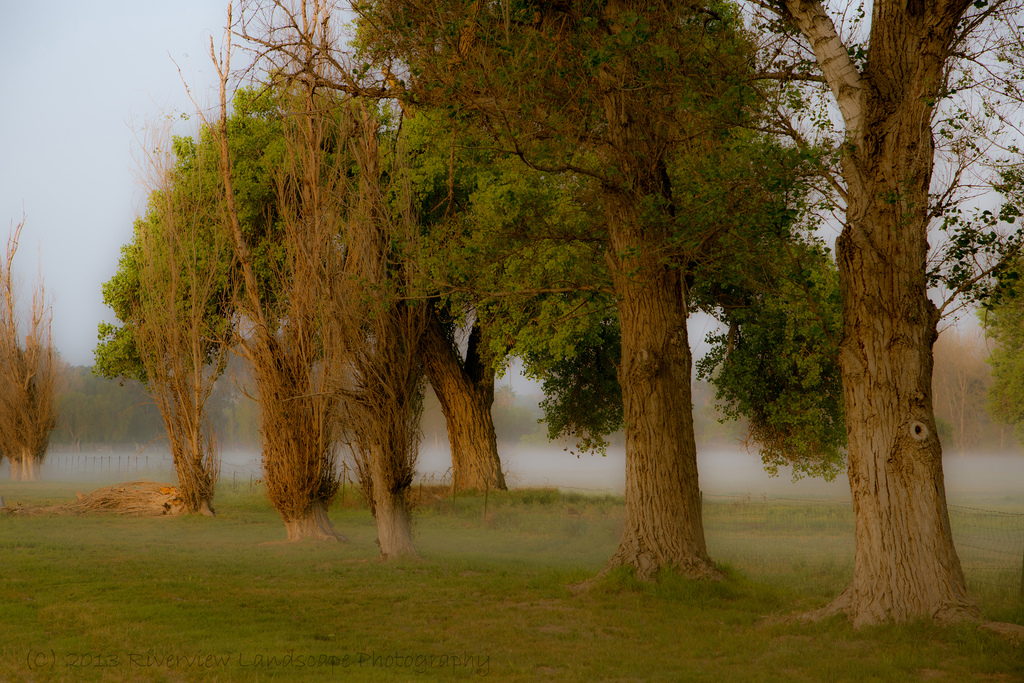
Susan Min

Good News

Waiting to hear whether a lab mate’s family was killed
in the earthquake in China, a little on edge because
he can’t currently get through to them, I’m recalling the time
he wore all red because it was the first day of the year
of the snake and he was a snake and if he didn’t wear
his red hanes sweatshirt and sweatpants to work his
demons would come back this year to haunt him. It was odd
that he could be so superstitious and scientific, but for
a moment I wondered if his boxers weren’t red that day.
I don’t feel guilty when I’m disappointed to find out that
his family is alright, that the earthquake was actually a
hundred miles away, that life is still achingly the same for
everyone I know and everyone they know in California
and China and the whole unchanging universe.
It’s sick of me to want pain to come rattling into people’s
lives like this just to relieve the pressure of my own monotony,
it doesn’t have to be pain, it could be something like a
moon landing, just something wondrously real.

Susan Min was born and raised in Chino Hills, CA and attended UC Riverside as a creative writing major. She is currently working on her first book. Her website is susanmin.com.

Yelizaveta Renfro

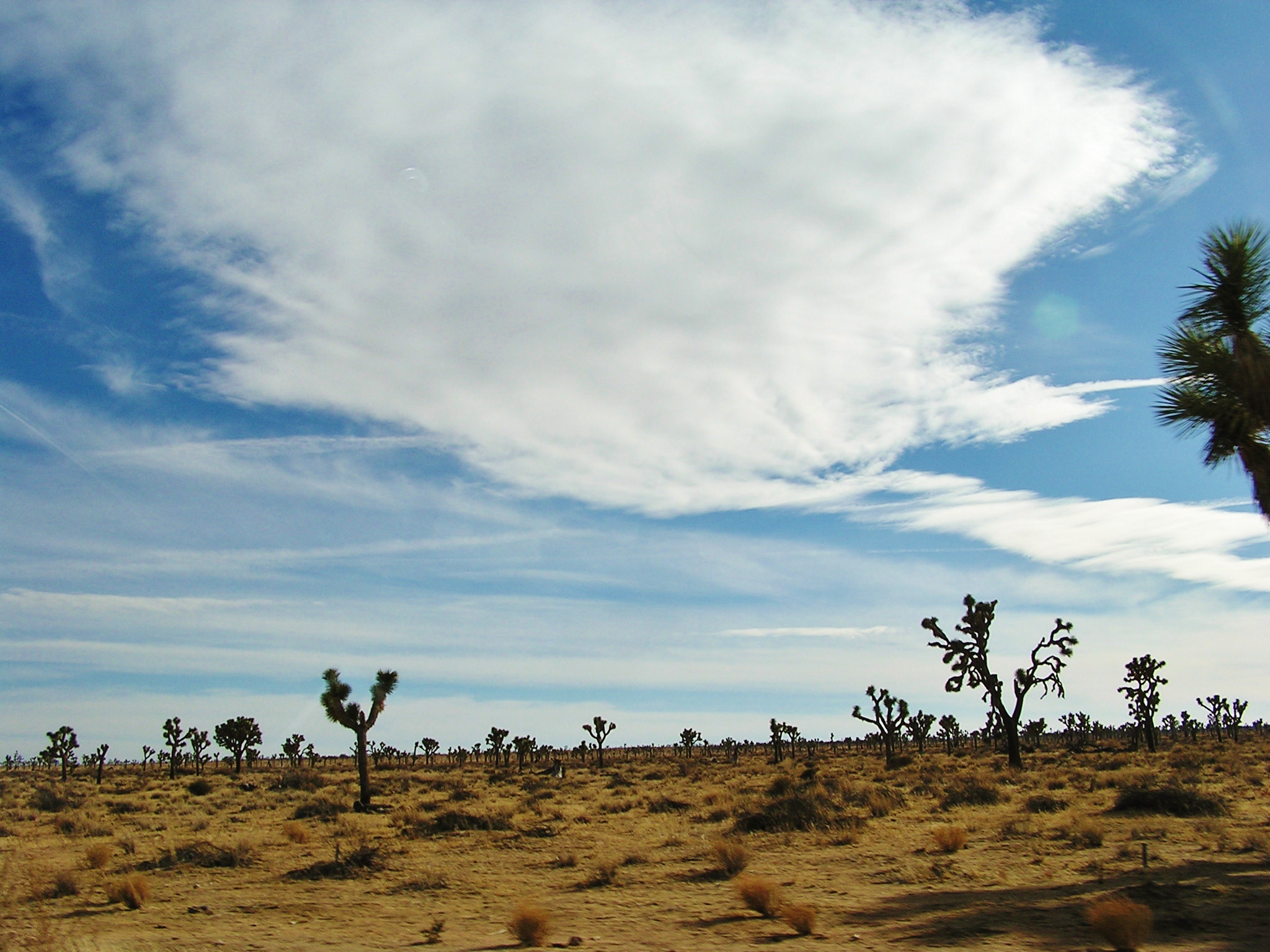
Joshua Tree in Winter by Yelizaveta Renfro

A writer and photographer, Yelizaveta P. Renfro’s work has appeared in Glimmer Train Stories, North American Review, Colorado Review, Alaska Quarterly Review, South Dakota Review, Witness, Reader’s Digest, Blue Mesa Review, and in newspapers. Her short story collection, A Catalogue of Everything in the World, is available from Black Lawrence Press. She lived in Riverside for more than twenty years and has since lived in Virginia, Nebraska, and Connecticut. View more of her work here & here.

Michael Singh

A Sun Setting as it Rises

I was cradled by earthquakes.

Nursed by the arms
of California,
she put me to rest
on terrain
shaking with
life:

each bloody pulse
fueled a heart
birthing from
poppies in
an unabashed
full bloom,
blush fading
with the rise
of the moon.

Her soil shifts
beneath us
constantly,
tiny shivers
pulsate a
lone heartbeat
wailing its
pale affections
throughout every
pore contained
in the decaying
cracks of concrete
(here we dance
on the edge
of our collapse
knowing the ground
bellows a
warning song
as it vibrates
beneath us).

Our toes are worn
from the steps
as we try to
remember
our moves
try to forget
we were cradled
by earthquakes,
four walls
oscillating
within each box
protecting uneasy
feet gliding
us towards
the horizon;

A sun setting as it rises.

Michael V. Singh is a recent graduate in Theatre from the University of California, Riverside. During his undergraduate studies Michael was involved in numerous productions, the most recent being poet Juan Felipe Herrera’s play  Stars of Juarez where he served as both a stage manager and (later) as an actor. He has previously been published in Literary Laundry.

Lavina Blossom – Featured Artist

Lavina Blossom is a writer and visual artist. She has an MFA in Poetry from the University of California, Irvine, but is largely self-taught as a visual artist. She has an art blog about her process, which can be found at http://lavinablossom.com/blog. Her poems have appeared in The Paris Review, The Literary Review, and Kansas Quarterly, as well as the online journal Poemeleon. Her short story, “Blue Dog,” appeared in the online journal Women Writers. She is an Associate Editor of Poetry for Inlandia: A Literary Journey.

Timothy Donneley & the Riverside Inlandia Creative Writing Workshop

DonnellyVisit

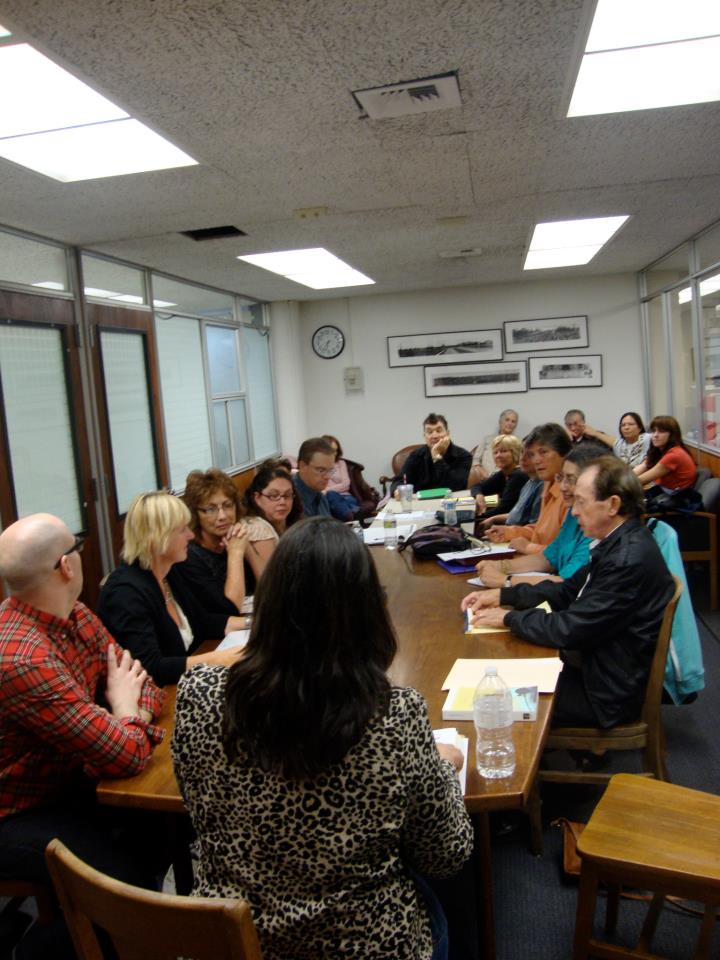
The Riverside Inlandia Creative Writing Workshop group and guest Timothy Donnelly, Columbia University professor and author of The Cloud Corporation, winner of the 2012 Kingsley Tufts Prize. Great session in which we created a collaborative bouts rime poem using the endwords from Robert Frost’s “Acquainted with the Night”. Thanks, CGU, for reaching out to the Inlandia Institute!


Inebriated Firebird

Do not go into the mysterious night
Or you will be drenched in the driving rain
in which we see no speck of light
as we try to avoid creatures that run into our lane
we have kidnapped Santa Claus and the beat
goes on, which our inferior brain cannot explain
and we don’t hear our capricious feet
as the cilia in our ears cement the ancient cry.
We tumbled down the inebriated street
and down some grotesque path, we said goodbye.
I walk solo, she looks down from a height
as gargoyles howl the night away, as ribbons uncoil in a dawning sky.
The asphalt tilts, the filthy water drains out, all is made right.
The speck bores a hole in the infinite night.

Judy Kronenfeld


Vestigial Mom

They are international, polyglot:
between them speaking
Russian, Latvian, Arabic, French,
German, and a little Farsi and Slovak.
They travel or live abroad
for work, and count among their intimate
friends: Georgians, Kenyans,
Palestinians, Syrians, Kazakhs, Tajiks,
Lebanese, Turks. But I sometimes want
to tuck them in, to safety pin them
home like mittens to sleeves, to create
years for them like the Advent
calendars of my childhood Catholic friends,
with good surprises behind each little
door

               because seventy-seven years ago,
not too long before “Juden, ‘Raus!,”
my father escaped, leaving behind the cousins
I never met, who look at me
out of the old photos, with my eyes,

               because an Arab host rising
against his oppressor could denounce
my Jewish daughter—”American
Satan!”—or worse,
or Netanyahu bomb his city
while she is there,

               because the “frozen
conflicts” in the lands of the former
U.S.S.R. could thaw and my son
be caught in a flood of ethnic blood.

I want to close the book again
on The Wild Things gleaming
their fierce teeth, to pretend
I’m a cloud pursuing The Runaway Bunny
turned cloud, to gather my children
into the primal room
of Goodnight Moon, brilliant red
and green, warm as a lair
hung with animal fur, against
the arctic out-of-doors.

I want to rush out, as if onto
the street below my window
when I hear the squalls
of a sibling fight,
and bribe the Israelis
and Palestinians, the Chechnyans
and Russians, the Kyrgyz and
Uzbeks, the Sunnis and Shiites,
with whatever it takes: ice cream
and cake, video games, Disneyland.


La Place de la cathédrale

How present, how bountiful
and complete the cathedral
in its square onto which
our small hotel’s windows
gave, around which we made
our daily promenade, in view of which
we drank our café crème. The school girls
on spring vacation sunned and giggled
under the stone harpstrings,
and knots of tourists closed and opened
like sea anemones, their cameras flashing
in the dusk like falling stars. And the bells
tolled the bright and the lightless
hours, their quarters, their halves,
their three-quarters…

Too many days, perhaps, but boredom
pleasant, and to consider reduced
choices—the black or blue
sweater, the grey or brown
pants, petit déjeuner next door,
or a few doors down, where I studied
the elegant French hound leashed
to a lamppost, head on his paws, meditating
on Nothing, and imagined cultivating
an animal calm.

A sabbath of dedicated
space. Emotions unclotted.
Simpler blood ran
in the arteries, unimpeded by the silt
of years. And the failing
body stopped
failing for an instant,
as if it could keep gliding
in the dark, the bells guiding us
like bell buoys in the voyages
of our sleep.


“La Place de la cathédrale” first appeared in Adanna.
“Vestigial Mom” appeared online in Adanna’s Featured Poets Page.
——

Judy Kronenfeld’s most recent collections of poetry are Shimmer (WordTech Editions, 2012) and the second edition of Light Lowering in Diminished Sevenths, winner of The Litchfield Review Poetry Book Prize for 2007 (Antrim House, 2012). Recent anthology appearances include Before There Is Nowhere to Stand: Palestine/Israel: Poets Respond to the Struggle (Lost Horse Press, 2012) and Love over 60: An Anthology of Women’s Poems (Mayapple Press, 2010). Her poems—as well as the more occasional story, essay and review—have appeared in many print and online journals such as Adanna, Calyx, Cimarron Review, The American Poetry Journal, Fox Chase Review, Natural Bridge, The Hiram Poetry Review, Poetry International, The Spoon River Poetry Review, Stirring, The Women’s Review of Books and The Pedestal. She is Lecturer Emerita, Creative Writing Department, UC Riverside, after twenty-five years teaching there and has lived in Riverside since 1969.

Creative Writing Workshops feature Deenaz P. Coachbuilder

I have forgotten you

After Pablo Naruda’s “If You Forget Me”

At first we were planets
that collided and consumed
                                    each other.
I bit off a chunk of your shoulder,
                                             you sheared off my hair
and knotted my thighs.

I wore a rainbow ring
  around my finger.
    Work
    play
    love
    lust
       intertwined,
    tenderness
           anger,
     lacing together
        our laughter
      and our lives.

The years like moonbeams                                  the worms of the world.
                                              cocooned us from

The years they wore away
our celestial cloak.
They sundered us
and flung us apart
you into the sky,
and
   buried
      the rest
of me.

I will forget you.
The way your voice                    for          e
                                  searched              m
when you entered the house
   at the end of a work-a-day world.

I will forget
the way I always knew those friends’ names
you had predictably forgotten,
always read
the sudden knotting of your brow
the depths       of a frozen smile,
recognized
your p e r f u m e,
             from     a f a r.

I have forgotten you,
forgotten you,
forgotten
you,
beyond the day
      I die.

The green hedge

Far from above, none of the sounds
of Mumbai city can be heard.
The setting sun drenches the tips
of balconied skyscrapers.
In the distance, crowded streets
border the landscape.
The dome of a mosque pierces the sun.

Through the glaze of dust and heat,
a quiet emerald oasis ascends.
Nine palms fringe an oval green lawn,
a cool breeze turns over the leaves
to their dark undersides,
while gulmohor boughs dally together
as they sway.

Here children chase each other,
shod in muddied designer shoes
across the manicured terrace
while maids watch hide-and-seek.
Pedigreed playmates barter video games
amid the scrap of roll and tease,
and scattered nursery rhymes,
as they bask in secure childhood.

From behind a green hedge
dark eyes watch the games.
Her only dress scarcely covers scarred knees.
Scabbed fingers tap longingly
in time with the infectious jingle of pop tunes.
Every day she sits on the outer side
of a gossamer hedge.

Spawn of an unschooled
vagrant woman who haunts
the crowded corner traffic stop
for spare change from captive cars,
she escapes each evening to
crouch down beside the emerald hedge.
She tells herself she doesn’t care
when they don’t call her to play.

Tomorrow’s fantasy hovers quietly
beside her, where her shouts and laughter
might merge with theirs in a swirling whirl of happy cries
as quivering rainbows twine through their hair.

The house of loneliness

A swath of light hair falls across her brows.
Short and petite, straight nose and high cheek bones
frame a fine line of lips that slant
delicately down at the edges. Soft eyes,
a quiet voice with a clipped style of speech
muscular arms held akimbo
when she strides along the street.

What do you do after work, I inquired.
Exercise at the Y, she replied.
And then? I hesitantly asked.
I go home, I’m tired.

She lives in a high ceilinged home
amidst seven acres of Port Orchard woodland
bought seven years ago.
Clear water from her own well
glints in a fine jug that rests
on a granite kitchen counter.
Two large dignified cats play in contentment,
encircling each other between the legs
of hand carved cherry wood furniture.
On most days she hears the blue jays squabbling
on the spacious hardwood deck.
Next summer she will plant five fruit trees
along her driveway.

sunrise against the mist

sunrise
my brother’s hand
curled around my finger

romping across the years
teenage conflict
then, he grew
taller than I
sibling rivalry turned
into shared secrets
bonds of the heart

but jealous waters
captured him

still
forever

my flaming youth tempered
to steely caution
burnished metal
into supple sandalwood
golden days etched
deep gray
a subtle sprinkle
of wisdom
the world’s winter land

years of love
and life
extended
down the corridors
of time

Death parted the curtain
I entered with delight
to search for him
yearning for his
youthful embrace

the stars were smoothly silver
the winds most welcoming
those gentle spirits
drew aside
as I
hurried by

a faint glimpse
against the vast mists of space
drawing close
I called
and leapt toward
to touch
his well-remembered hand

he turned

but did not recognize me

Yesterday

Yesterday I danced with revelry.
I slept and dreamt in silvered peace,
waking abruptly to a nightmare,
brackish, dense with pain,
devoid of reason.

I slept, whole, contented,
assured of family, fortunate in friendships,
awoke to treasures sundered,
husband, son, disconnecting
bonds of love and blood.

Empty rooms
tears that slide silently
the moaning heart
a changed world
elusive dreams.

Waste not this moment,
all is but ephemeral,
our signposts evaporating
into a shifting stream.

The nightingale sings
but for one night.

——

DeenazCoachbuilderDeenaz P. Coachbuilder has been a resident of the Riverside area in California, since 1981. She received a Doctorate in Theater Arts from Brigham Young University, an M.S. in Communicative Disorders from Utah State, an M.A. and B.A from Bombay University in English Literature and Language. Deenaz is an educator, artist, poet and environmental advocate. She is a retired school principal, and professor in Special Education at California State University, San Bernardino, past president of Committee for Community Action and Environmental Justice and India Association, of the Inland Empire, and a consultant in Speech Pathology. As a Zoroastrian by religion, Deenaz is actively involved in the Zoroastrian Association of California and is writing a poem on the birth and evolution of the religion and its adherents, extending to the modern period. She is a published poet in the U.S. and India. Most recently, her poems have appeared in The Sun Runner, Sept. 2012; Inlandia: A Literary Journey, Summer 2012; Woman Writing Nature, A special Edition of Sugar Mule Literary Magazine, Sept. 2012; Parsiana, June, 2012. Deenaz exhibits her paintings in oil, enjoys reading, gardening, going for long walks, relationships with family and close friends, staying involved in the Indian American community of Riverside and San Bernardino counties, and particularly cherishes being a wife and mother.

Deenaz is a Fulbright scholar, and the recipient of several awards including “Principal of the year,” Council for Exceptional Children; “Distinguished Service Award,” Phi Delta Kappa, and California Speech Language Hearing Association. She received President Obama’s “Volunteer Service Award” in February, 2011. Deenaz is currently working on a publication of her poems.

Laura Araujo S.

D and Third, San Bernardino

The city employees making their way to one of the six floors at City Hall knew it.
Papá cradled me in the crook of his forearm,
nestled against his chest, my almond roasted skin collected the scent of bundled alfalfa,
scattered hay, and weathered leather from his Wrangler.
The snap button from the left breast pocket
brushed my flushed cheek as Papá gazed into my eyes,
yearning for the Mexico he left behind.

The business owners detected it driving west on Third and north on D,
past the big banks that could one day ruin them. They catch a glimpse of Papá
lifting me in a repetitive motion
slightly so into the air. His calloused hands, rough from lariats,
breaking horses in Rialto, gently hold me from my underarms, the tips of his fingers
meeting securely at the back of my column. I squeal each time I feel the descent.

The residents doing business that day sensed it as they observe
Papá strolling beneath the jacaranda trees in front of the Mexican Consulate’s
on the hottest day in San Bernardino. Separately,
the struggling contractor on his way to the planning department,
the recent widow visiting the social security, the vato renewing a dog license,
and the poet buying passport photos notice as Papá draws me close to his face,
our foreheads touch, his bristly moustache grazing my chin,
a fluttering of eyelids each time we meet.

From his post at the door, the guard at the IRS office sensed it, too.
Keeping watch of the line, the weather, and the tempers, he spots,
from a distance,
Papá blowing sweetly across my face and torso,
a tobacco laden delight. The red Marlboros and heat are
almost undetectable.

Although I will not remember this day,
one day, like the witnesses moving past D and Third Street
on the hottest day in the Inland Empire, I too, will know,
many years from now,
because my body will remember.
Papá loved me once.
Unconditionally
Unashamed

——

Laura Araujo S. was born in Guanajuato and grew up in Southern California. While completing her undergraduate education at UC Riverside, she swore she would never live in that city. Twenty years later, she finds herself residing in the beautiful city of Riverside raising a family. She is a high school teacher.